

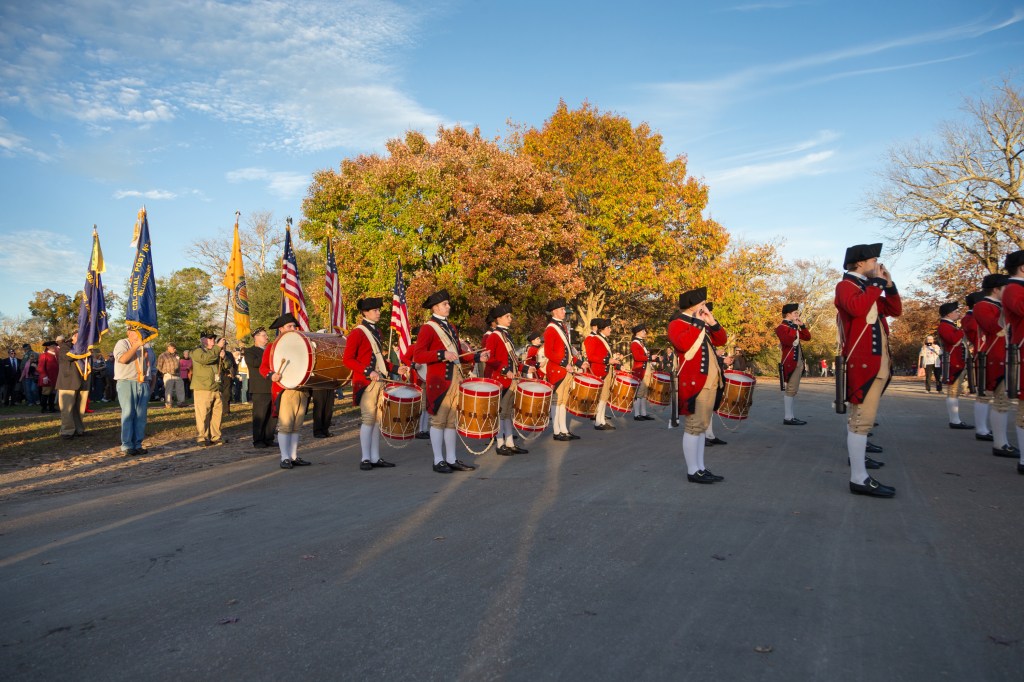
Every now and then I’ll remember something silly from my childhood that elicits an embarrassed chuckle. Like how I thought Z. Cavaricci pants were the height of fashion or that VHS tape I sent to Nickelodeon as my audition for Double Dare. Recently, as I was flying to Virginia to visit Colonial Williamsburg for the first time in more than 30 years, I thought about how amazing it was to come here as a kid and witness a unique glimpse into a well preserved slice of the earliest days of the United States. And that turned into perhaps my silliest bit of nostalgia to date.
Normally, I wouldn’t ever admit something this dumb, but I have lived my life under the impression that Colonial Williamsburg was an actual early American town that had been kept mostly authentic over two centuries and counting. Obviously, this isn’t the case, and it didn’t take much laughter from locals to make me turn beet-red with this hilarious realization. But, at the same time, that’s the really cool thing about this destination: You’re never too old to learn something new here.

In fact, the real history of Colonial Williamsburg appeals to me even more today as a pop culture junkie born in that sweet spot between the Gen X and millennial bubbles, as we all emerged from childhood with brains full of Trivial Pursuit cards. Conceived in 1926 by the Rockefeller family as a concept blending luxurious family vacations with patriotism and history, this was once the “place to be seen” for both A-list celebrities and global political icons — as evidenced by suites that are named for Queen Elizabeth II and Franklin D. Roosevelt, who famously declared Duke of Gloucester Street “the most historic avenue in all of America.”
A more common misconception is that Colonial Williamsburg is a national park, while other people confuse the historical area with the actual city of Williamsburg, which was founded in 1699. It can be a little confusing, obviously, but the authenticity and effort to deliver informative, factual experiences are what matter most. The city and its 301-acre historical area aren’t mirror images of what it was like to live here in the 18th century, but 89 original buildings still stand, and everything else was recreated based on archaeological evidence, period maps, newspapers, and historical record, all while using the tools and materials from that time.
Among the many lessons I learned on my recent visit was that Colonial Williamsburg is also one hell of a golf destination, with the Williamsburg Lodge serving as an ideal base camp for mixing several days of outstanding golf courses with a dash of quirky history and some college town charm as well. If you only have two days to get away and want to travel a short distance, play hard, eat well, and explore to your heart’s content, this is the place to do it.
What’s new in Williamsburg



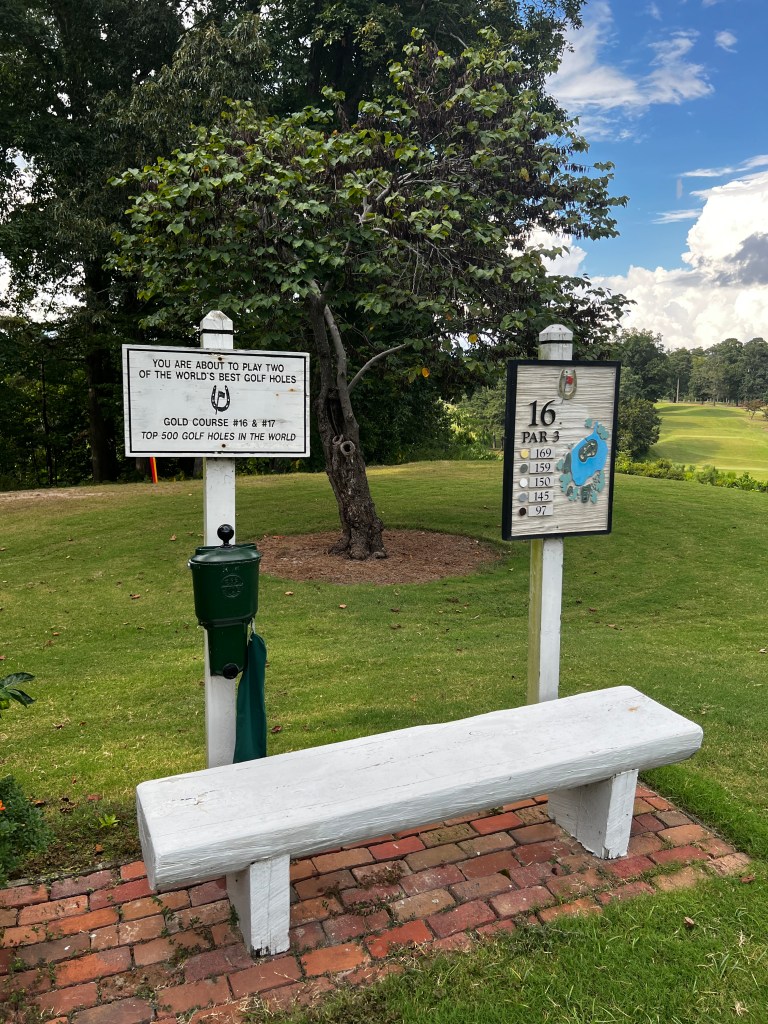
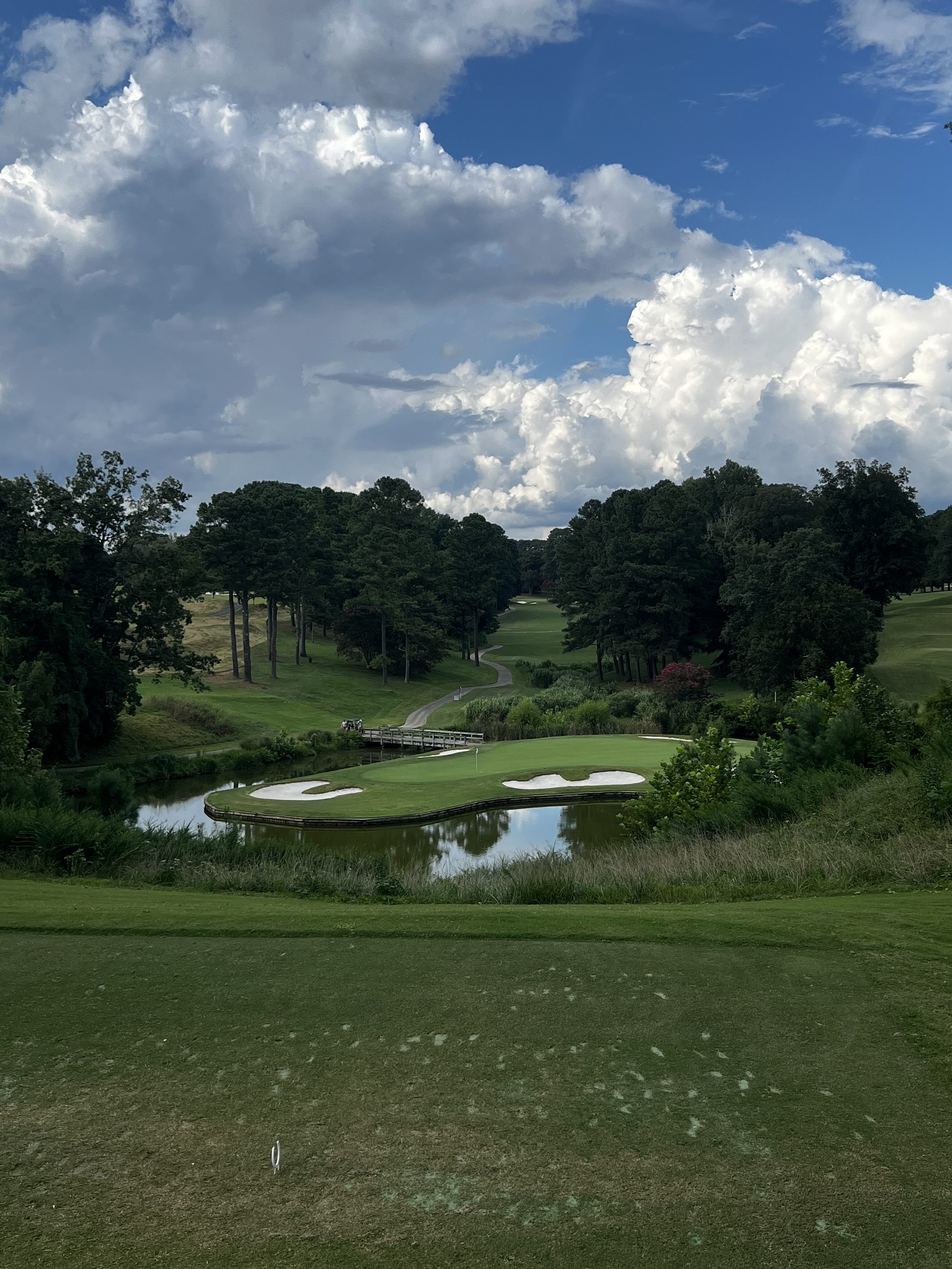
Regardless of what you do or don’t know about Colonial Williamsburg, most dedicated golfers are familiar with the reputation of the Golden Horseshoe Golf Club’s Gold Course. As many people reminded me during my round on this iconic East Coast design, this might be the closest some of us we’ll ever get to playing Augusta National, because the scenery and layout feels so similar. Beyond that, though, and at bare minimum, every golfer should want to grab a seat at Hole 16 before taking on one of the best holes in the entire country.
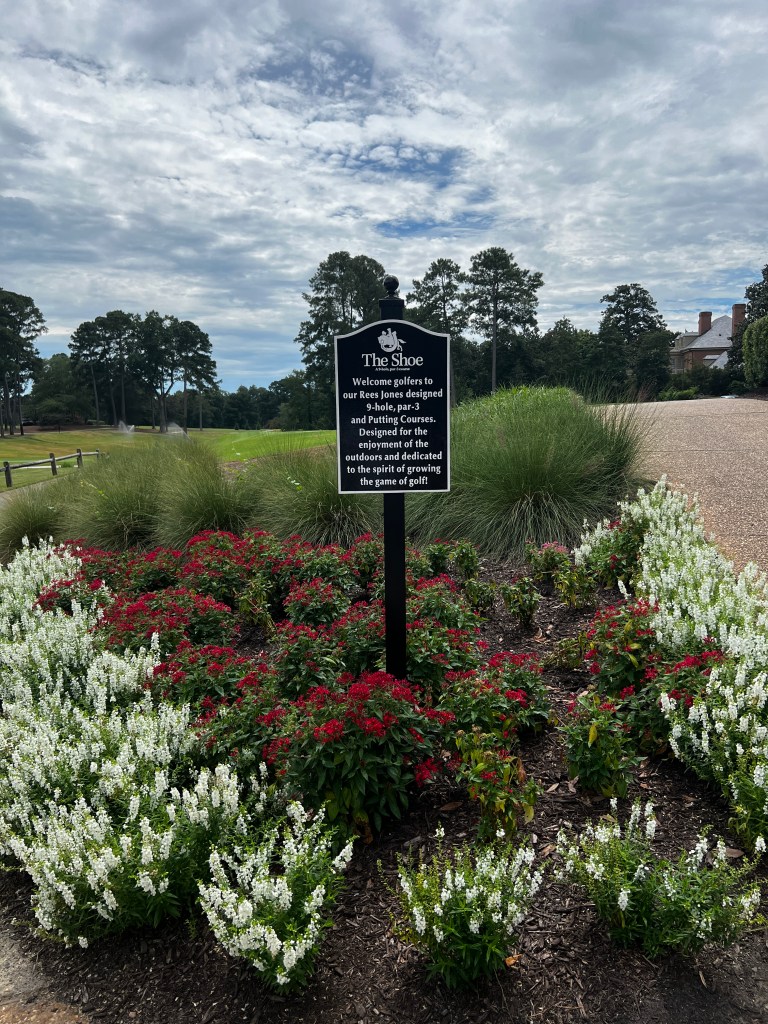
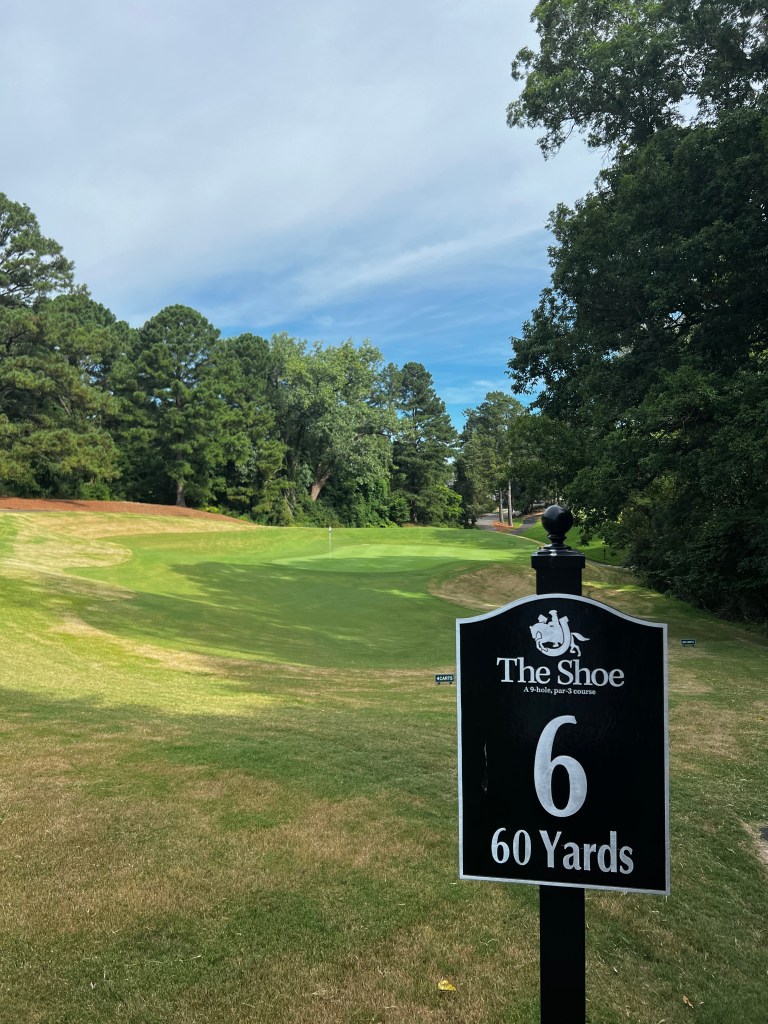
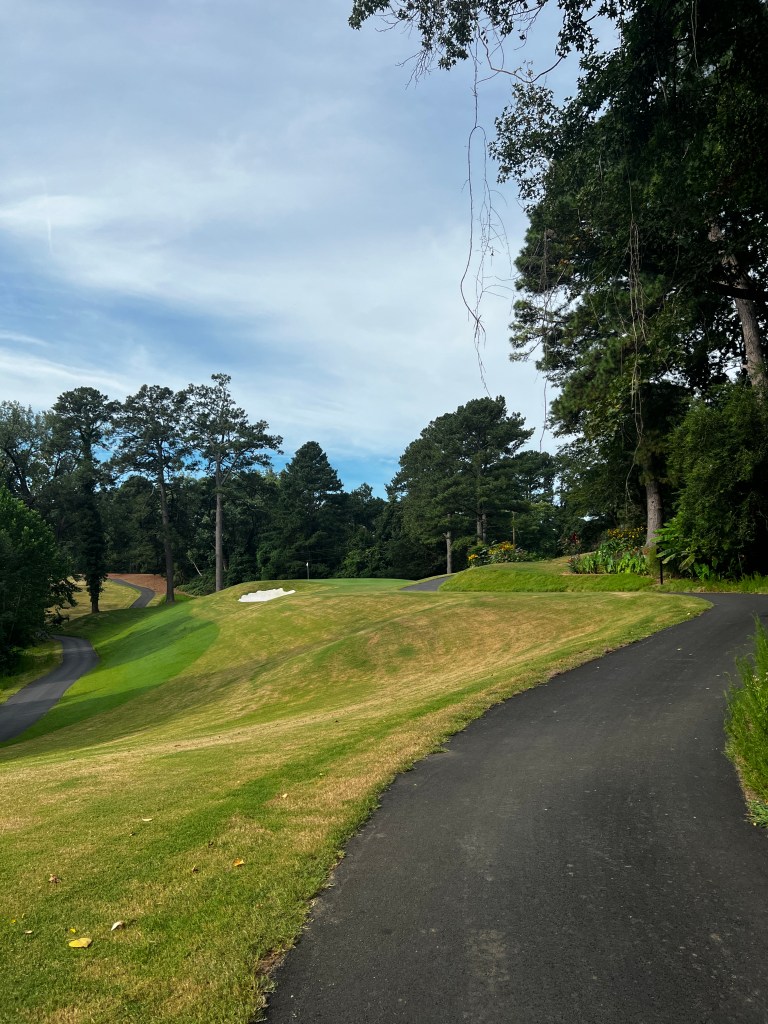
If you have played the Gold and Green courses here — as well as the myriad other high-quality courses in the area — you might be thinking, “Been there, done that,” but there are two problems with that train of thought: 1) These are not simply “one and done” playing experiences, and 2) You haven’t yet played The Shoe, the newest golf option at this destination. And while short courses might not be a primary reason for planning a vacation, this one is a fantastic supplement to the Golden Horseshoe’s overall enjoyability, and it might even make your time on the Gold and Green that much better.
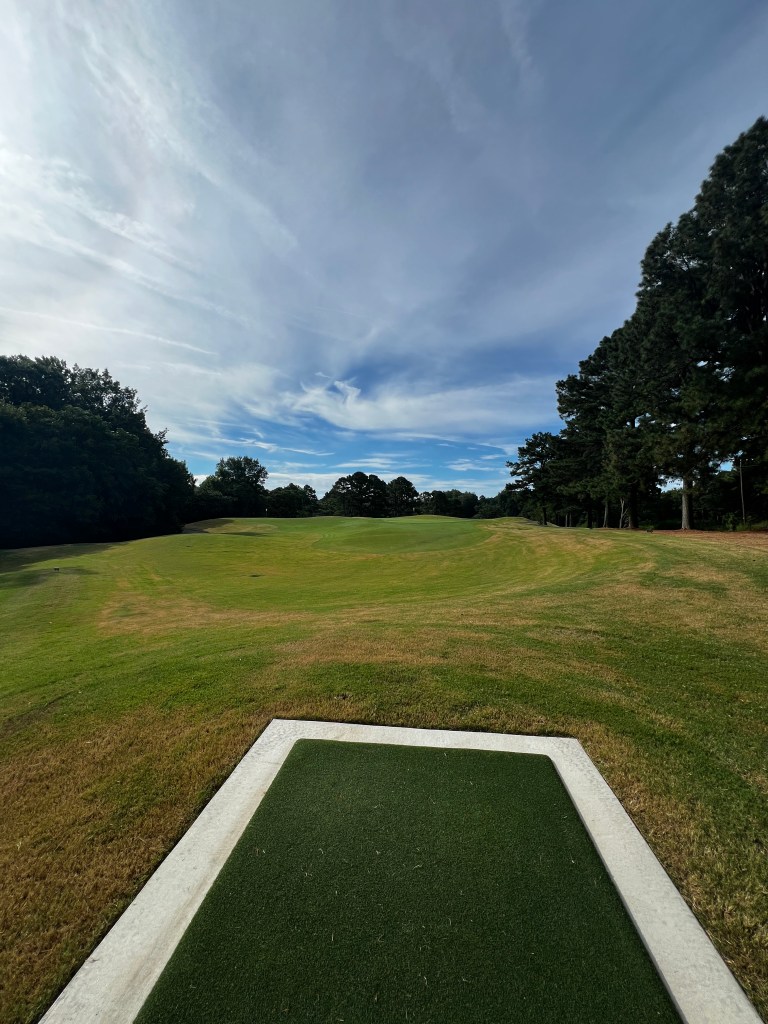
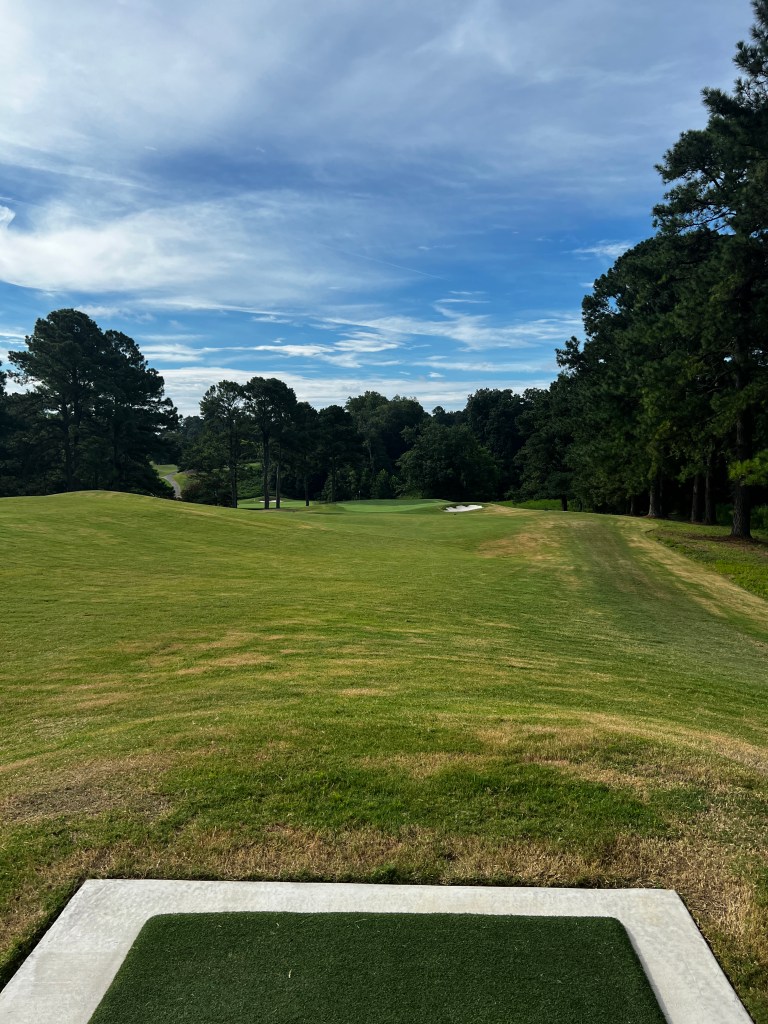
At least that was the case for me and most golfers, I presume, as the older we get, the more important warming up becomes. Starting my day with a round on The Shoe turned out to be remarkably advantageous to my short game, because I was able to shake some rust off by using my “bad” shots on this immensely serene 9-hole Rees Jones design. With holes ranging from 43- to 137-yards, this is simply more than just a way to spend an hour or so between, before, or after the big rounds. The curves and elevation changes make it challenging for more precise golfers, while the simplicity of the approach for every hole makes it a very rewarding experience for even the greenest golfer.
In fact, after I wrapped my morning round on The Shoe (and contemplated going again) and walked through the historic area and a bit of William & Mary’s outskirts to get my bucket of cold brew from the most charming Starbucks on the planet, I wanted to get right back to my clubs and keep the mojo flowing. But I suppose that’s a common feeling given the history beyond the colonial structures.
The history lessons aren’t limited to the town
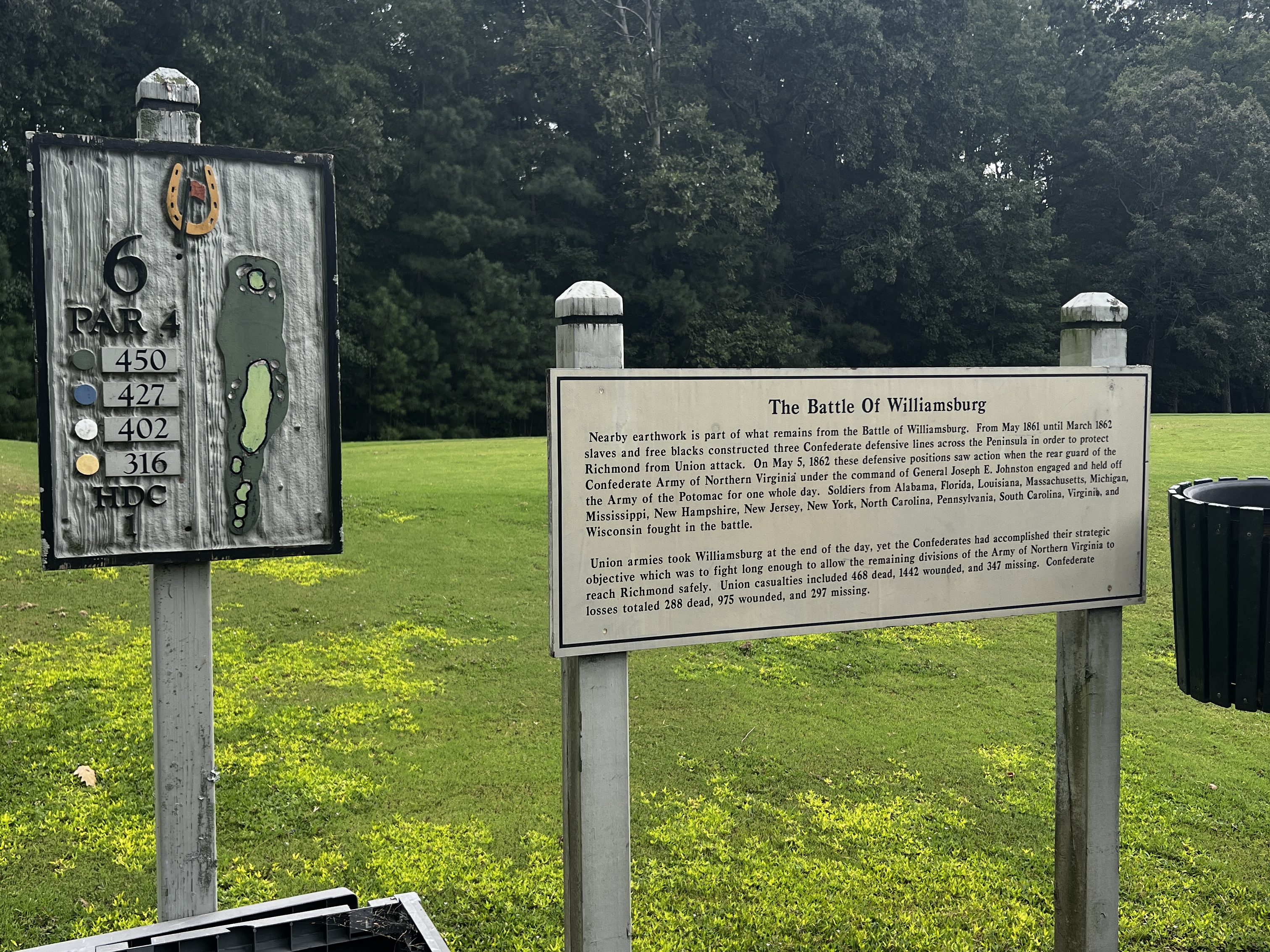
People tend to talk about Colonial Williamsburg as a place stuck in time, because, well, that’s technically what it is. For many people, the history conveyed in this remarkable live action museum tends to be dismissed as “something for the kids,” which is misguided. Let us not forget the famous, often misquoted words of George Santayana: “Those who cannot remember the past are condemned to repeat it.” And I know he never had the chance to play the Green Course, but his line is more than applicable to those of us who have tried to cheat the approach on the Par 5 5th hole to the left, ending up in the sand.
Because I did that with both shot attempts and his words echoed between my ears.
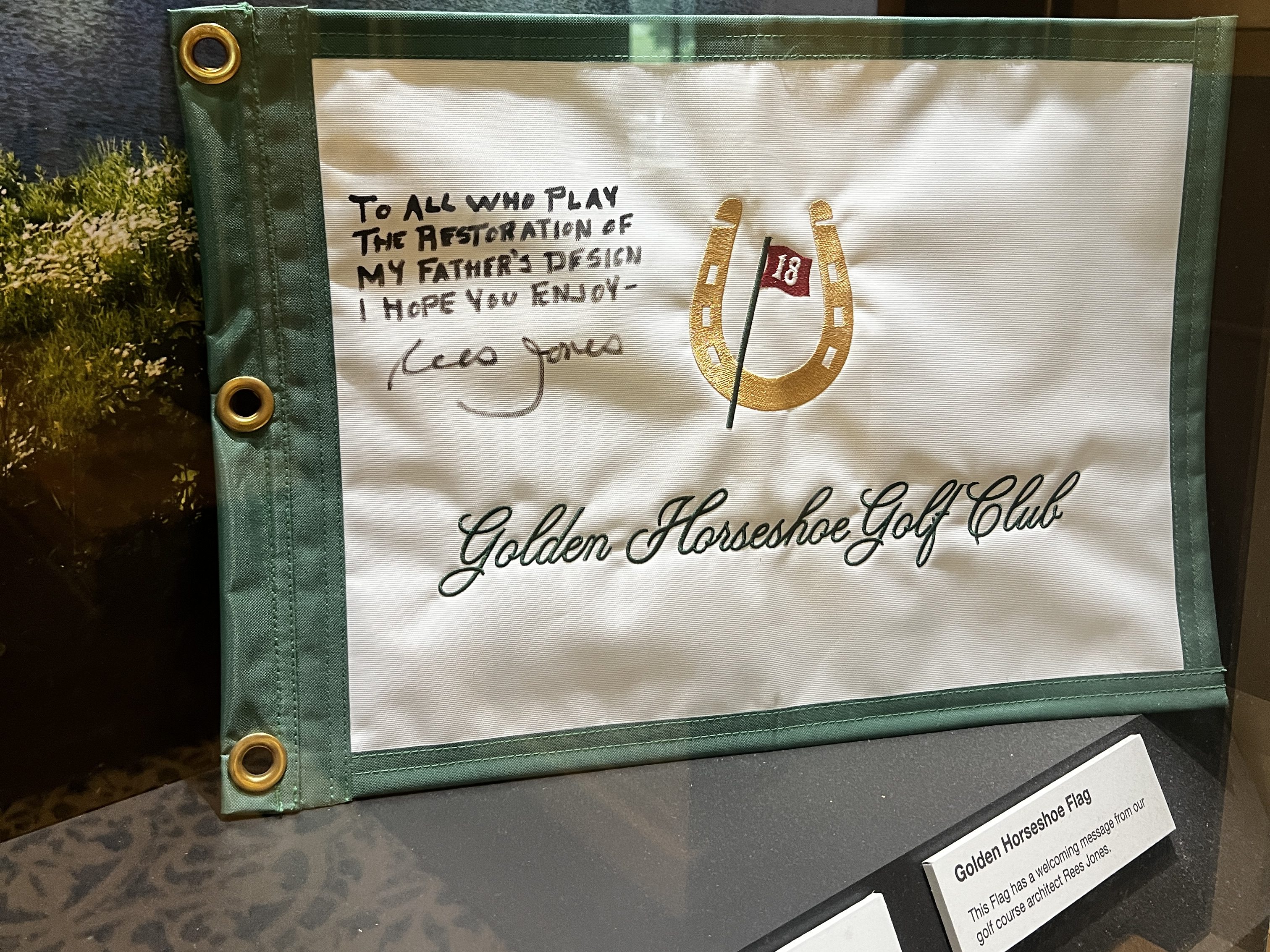
My point is, just as you’ll learn so much about colonial life within the town’s buildings, there’s no shortage of golf stories to enjoy simply by talking to literally anyone at the Gold and Green Courses. Both featured arguably the nicest attendees I’ve encountered anywhere in the world, and I could have listened for days to stories about the famous people who have played here, but I would have been just as happy to peruse the game’s artifacts in the Golden Horseshoe clubhouse several times instead of just once.
Hell, I wish I’d had a chance to swing by The Golf Museum at the James River Country Club as well, but that just hammers home my point that this is a destination worth visiting again and again.
Where to stay and play (off the courses)
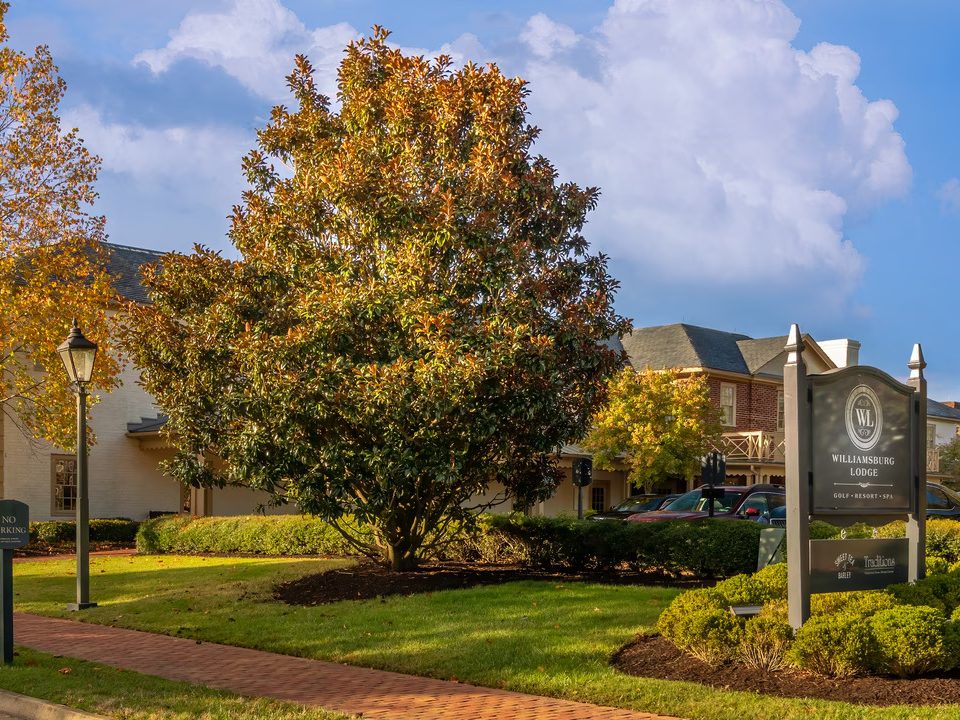
As the father of a 10-year-old boy who is a history sponge, I thoroughly enjoyed walking around Colonial Williamsburg and making notes of which tours and exhibits he’ll love when we return next year. Anyone kicking around the idea of doing the same should also keep in mind that not only is the nation’s 250th birthday around the corner, but the Colonial Williamsburg centennial is also approaching, so there will likely be myriad new events and celebrations showcasing the history of the conception and development — a must-see for any dummies like me who thought this was an actual settlement. Simply put, 2026 is an exceptional year to visit here, especially around July 4.
And while there are whispers of renovations and new ideas in the works, I am confident enough that the Williamsburg Inn and neighboring Lodge are already the finest places to stay, as the former offers exquisite luxury that seems to capture the earliest days in time while still feeling brand new. On the other hand, the latter provides a sensible, budget-friendly option for people who don’t plan to spend much time in their rooms, except to rest up after long rounds of delightful golf. The obvious benefits of both options are comfort, space, and convenience to the town and courses, but there’s more to consider depending on the focus and scope of your trip.

Larger families or groups might want to consider some of the Colonial Houses in the area, especially for their older style and the Instagram-worthy appeal, but the variety for all types of traveler is the destination’s strength. Simple suites with all the classic Marriott touches will behoove small golf groups as much as small families or even couples looking for romance amid the kitsch, just as much as fancier guests will be wowed by the aforementioned A-lister accommodations, some of which include working fireplaces for those history buffs who want to throw a log on and pretend they’re making important head of state decisions — when they’re really just trying to figure out how to wake the kids up in the morning.
Beyond golf and history lessons, the biggest appeal of the Lodge in my always hungry opinion is the food scene. Your gut instinct might lead you to believe a place for elementary school field trips will be serving up tendies and tots at every meal, but between the incredible variety of breakfast options at Traditions (where the manager remembered the name of almost every guest I watched walk through the door) to the phenomenal dishes at the Terrace & Goodwin Rooms — and everything else I’d spend another 1,000 words praising — we should probably accept Colonial Williamsburg as a foodie haven as well.
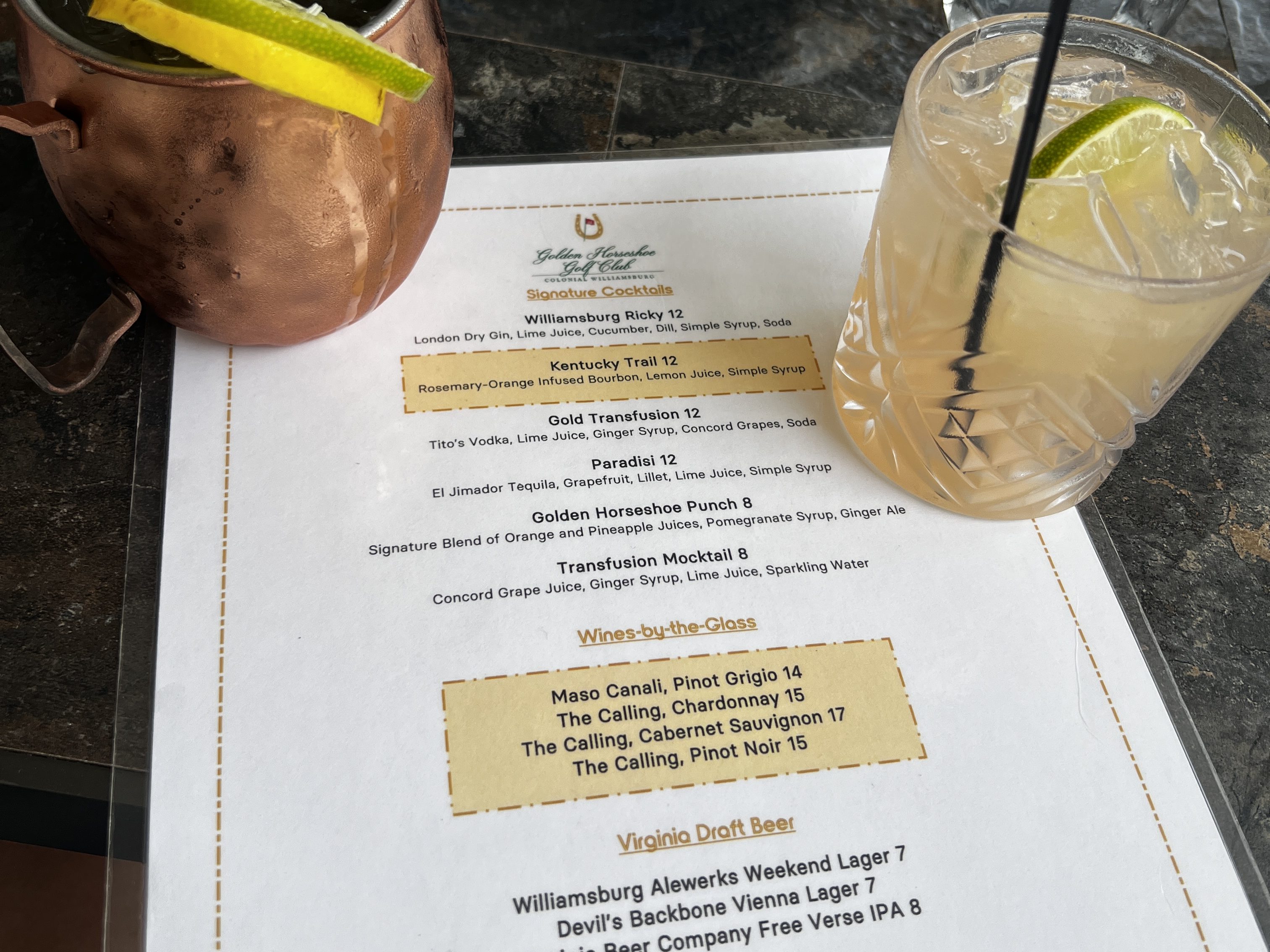
The crown jewel of a golfer’s experience is lunch at the Gold Course Grill, which offers pleasant views of The Shoe and Gold Course, while serving divine BBQ dishes that are made on-site, so the brisket and pulled pork both inspired the most satisfied golfers to take a nap between rounds. Or, the wiser players will just hang around until the next tee time and enjoy the signature cocktails that very enjoyably reminded me that bourbon can always be a refreshing afternoon treat.
The best offering at Colonial Williamsburg?
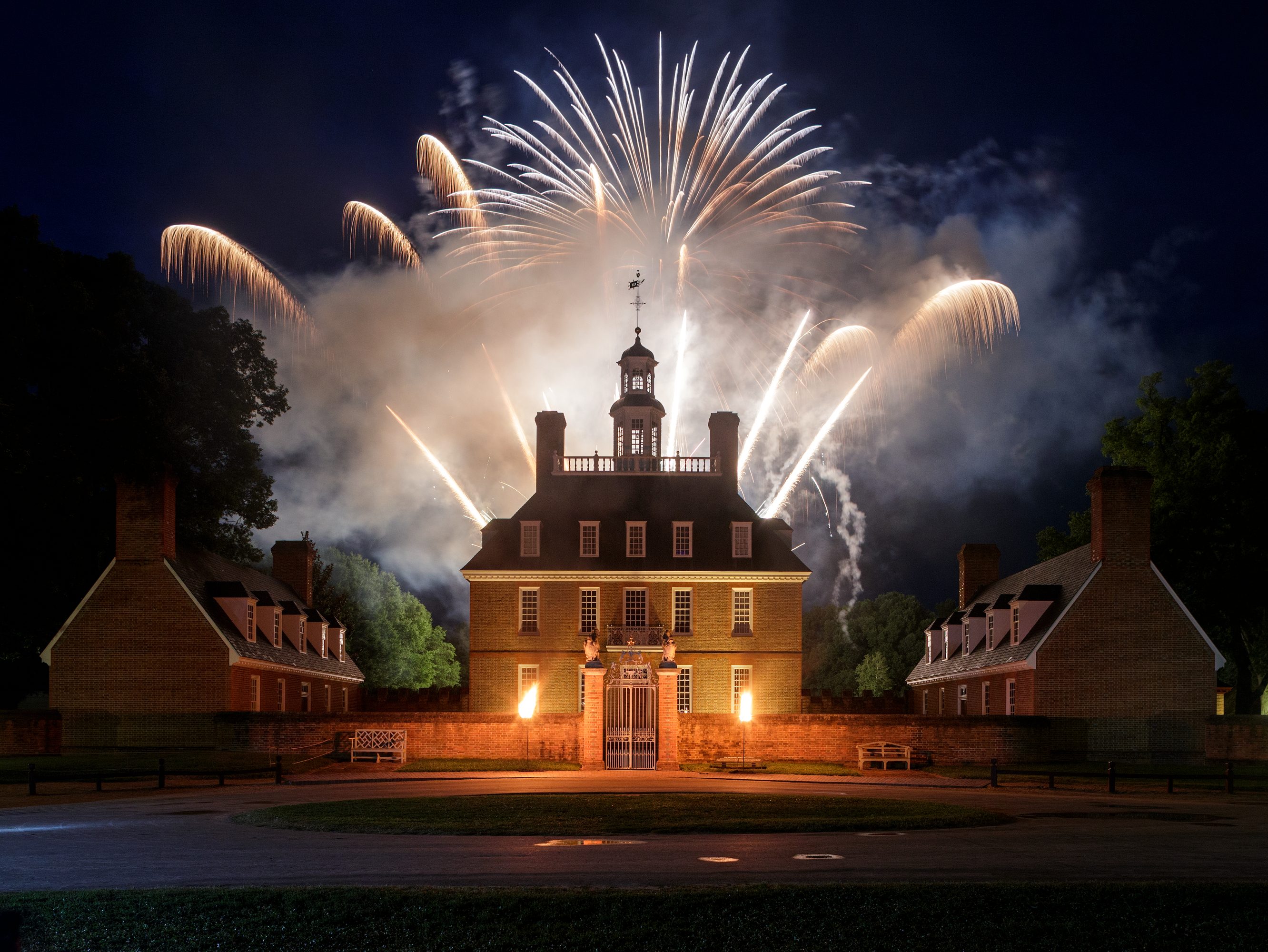
Flexibility, plain and simple. Again, this living history museum for history buffs is probably best for families, so if your biggest need is 2-3 days of keeping everyone happy and busy, Colonial Williamsburg will work like a charm. And don’t discount the romantic value either, as long evening strolls and quiet, candle lit dinners are always on the agenda here as well.
But if you’re planning that ultimate annual golf bro’s getaway as well, think of this as your home base for the best of Virginia. In addition to the Gold and Green Courses — and obviously The Shoe for everything in between — you’re not far from those other big names: Colonial Heritage Club, The River Course at Kingsmill, Williamsburg National, and plenty more. It’s not very hard to plan six rounds over seven days or even 10 rounds in a week for those of us whose joints don’t squeak like old machine parts after 36 holes.
All that matters is, no matter where you play, you make it back to the Gold Course Grill in time to grab another Kentucky Trail. Believe me, it’s the best way to wrap up a day of amazing golf.
 The Golf Getaway